

Dental Implants
The Gold Standard in Tooth Replacement

When you choose dental implants to replace your missing teeth, you won't lose jawbone density, and you'll be able to smile without worry!

Dental Implants | Dentist
We Warmly Welcome New Patients to Our Practice
Contact Us

Dental Implants


Dental implants are a long-term solution to tooth loss and are the replacement that dentists most often recommend, with good reason!

Unlike removable dentures or partials, you won’t experience problems with slipping or shifting, and implants don’t require a specialized daily care routine beyond regular brushing and flossing. We do not need to alter existing, healthy teeth with dental implants; we can support a dental bridge with implants. 

Do I Need Dental Implants?

For many people, missing teeth present a mostly cosmetic problem, which is a legitimate concern: Missing teeth carry a stigma, and people with missing teeth may find themselves unfairly judged in many social settings.

Unfortunately, the problem of missing teeth goes beyond aesthetics. Tooth loss puts additional stress on your remaining teeth, leading to damage such as fractures and breakage. You may find it difficult or even painful to enjoy the fresh, healthy foods you need for proper nutrition and nourishment.

One or more missing teeth can eventually lead to significant bone loss in your jaw as the bone atrophies from lack of use. Over time, jawbone loss leads to visible changes in your face and causes a prematurely aged appearance.

Dental implants will stop bone loss in its tracks, which even dentures and partials cannot do.

Frequently Asked Questions

Dental implants are intended to blend in seamlessly with your natural teeth.

One of the advantages of this is that you can brush them and floss them the same as you would with your regular teeth. While implants never get cavities (and never need root canals!), you still want to continue brushing and flossing to keep your natural teeth and your gums healthy.

Am I a Good Dental Implant Candidate?
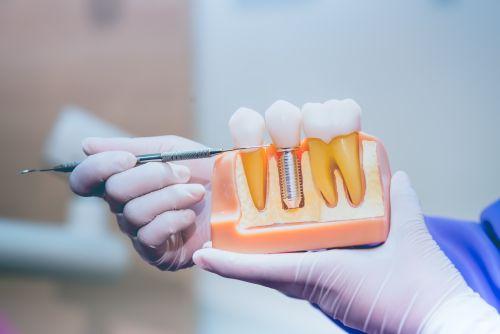
While most healthy adults are eligible for tooth implants, some health conditions can affect placement results.

When you visit our office to discuss dental implants, we will ask several questions about your health history. These questions help us determine whether dental implants are the right option for you. Don’t worry—even if you have a health concern, we can likely work with you. We need to know about any conditions and take the necessary precautions to account for them.

How Are Dental Implants Placed?

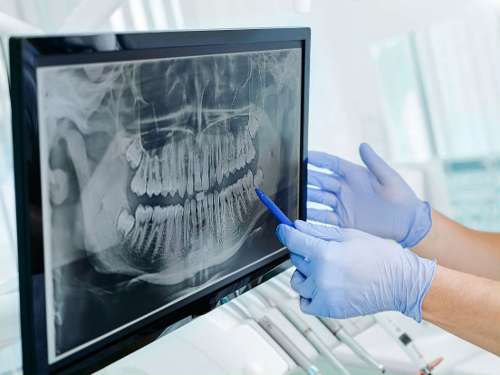
Before beginning the implant process, we perform a full examination, including x-rays. Because the implant is attached directly to your jaw, we need to know the condition of your bone. Our dentist may recommend bone grafts and other procedures to build up your jawbone if necessary.

We then place the titanium implant post in your jawbone. When you have healed sufficiently, we may place a temporary crown over the implant while waiting for your permanent crown to return from the dental lab.

When your final crown returns from the dental lab, you will return to our office so we can place it on your dental implant. The final step is to check the crown for fit and appearance, and your implant will be complete.

For more information about tooth implants or to schedule an appointment, please call our dental practice today.

OUR TEAM

    Dr. Amar Parikh DMD

    Dr. Amar Parikh grew up in Central New Jersey and attended Rutgers University for his undergraduate studies. He earned his Doctor of Dental Medicine degree from the University of Pittsburgh School of Dental Medicine. This experience not only shaped his clinical foundation but also introduced him to his wife.

    After graduation, Dr. Parikh completed a one-year General Practice Residency at Jefferson Abington Hospital, where he received additional hands-on training in general dentistry and a variety of specialty procedures. His time there strengthened his passion for providing compassionate, patient-focused care.

    Dr. Parikh believes ...

    Read More

Dental Implants Technology

Panoramic X-Rays

Individual x-rays are beneficial for identifying decay, infection, and many other dental conditions. Having a full-picture view is often helpful, and that’s where panoramic x-rays come in handy. Panoramic x-rays take a full-picture view of the teeth, bone, jaw joints, and other biological landmarks. These types of x-rays are helpful in planning oral surgeries, such as extractions and dental implant placement, as well as identifying tumors, cysts, and jaw joint problems.

Are You Ready to Book Your Next Dental Visit?